




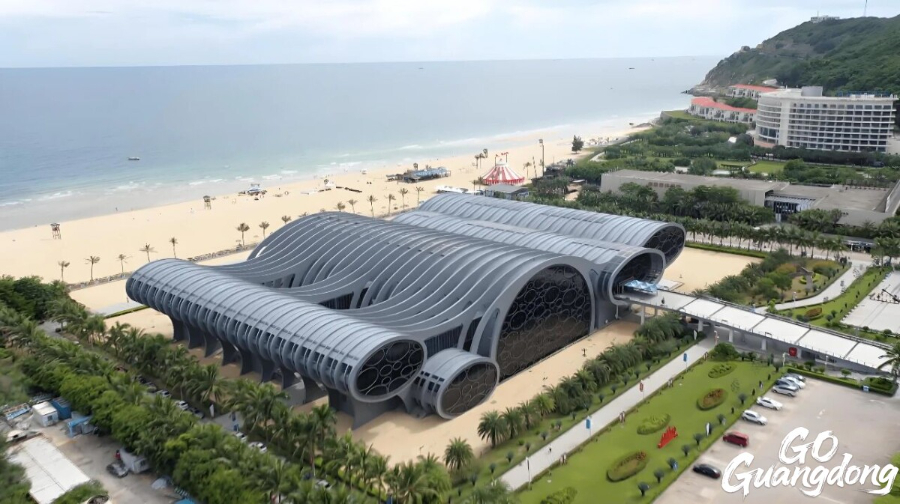
Photo by Guangdong Maritime Silk Road Museum
The Nanhai I, a Song Dynasty (960-1279 AD) merchant ship that had been lying submerged for over 800 years, was unexpectedly discovered in the coastal waters of Yangjiang, Guangdong, in 1987.
The Guangdong Maritime Silk Road Museum was founded in 2004 to serve as the permanent home for the ancient wooden ship. In 2007, the Nanhai I was successfully raised intact within a massive caisson and transferred to the museum, whose wave-like architecture echoes the marine environment. Following over a decade of meticulous archaeological work, this time capsule from the ancient Maritime Silk Road has unveiled its secrets. Join us on a journey to uncover the maritime history preserved within this remarkable vessel.
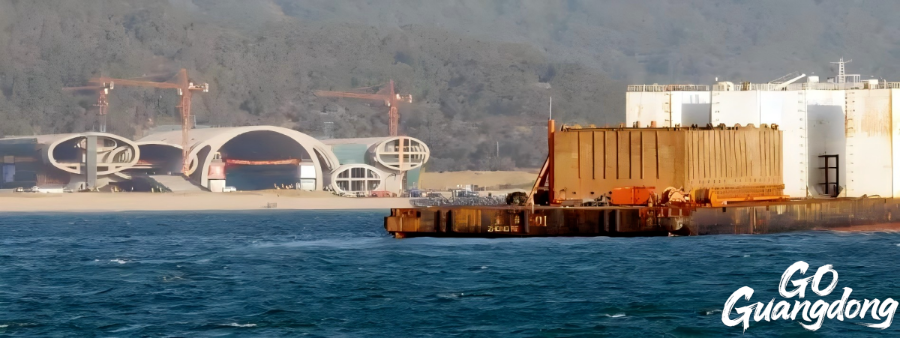
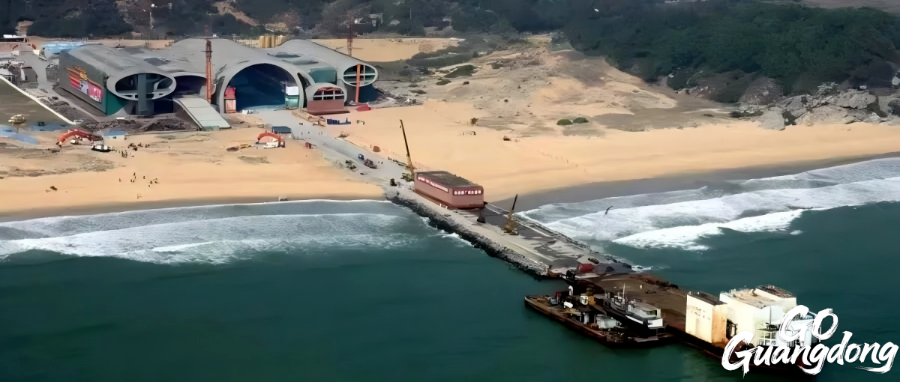
The Nanhai I was successfully raised intact within a massive caisson and transferred to the museum. Photo by 广东阳江发布
Nanhai I, a glimpse into Maritime Silk Road prosperity in the Song Dynasty
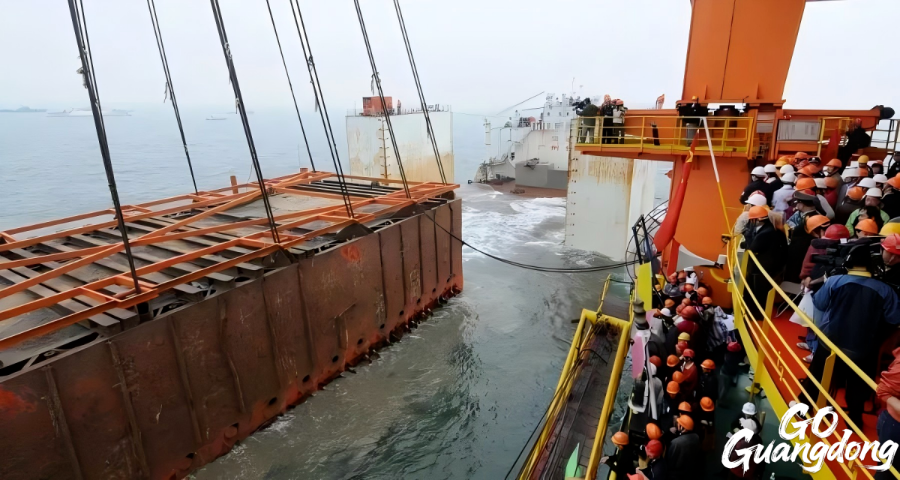
The entire salvage of the Nanhai I. Photo by 广东阳江发布
The ancient Maritime Silk Road started from China was a trading route between the Eastern and Western countries that dates back to the Qin and Han Dynasties (221 BC - 220 AD). Yangjiang, located in Guangdong's southwest coast, was a key transit and supply hub along this Silk Road, boasting rich cultural relics. Merchant ships loaded with porcelain and silk departed here and sailed to Southeast Asia, South Asia, and even East Africa. Meanwhile, foreign spices and jewels were unloaded here, bringing exotic civilizations into Central China.
The Nanhai I therefore provides a glimpse into the prosperity of maritime trade and the historic relics of the Song Dynasty. The Nanhai I is one of China’s earliest, largest, and best-preserved Song Dynasty ocean-going trading vessels, measuring 21.9 meters long and 9.35 meters wide.
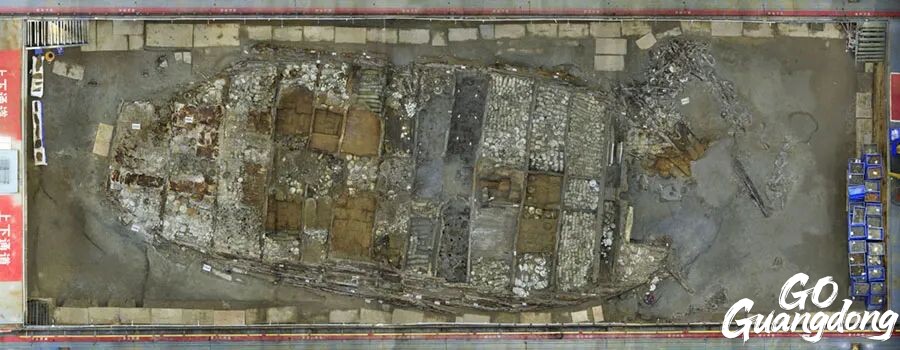
Initial outline and revealed cargo of the Nanhai I, photo by 国家文物局
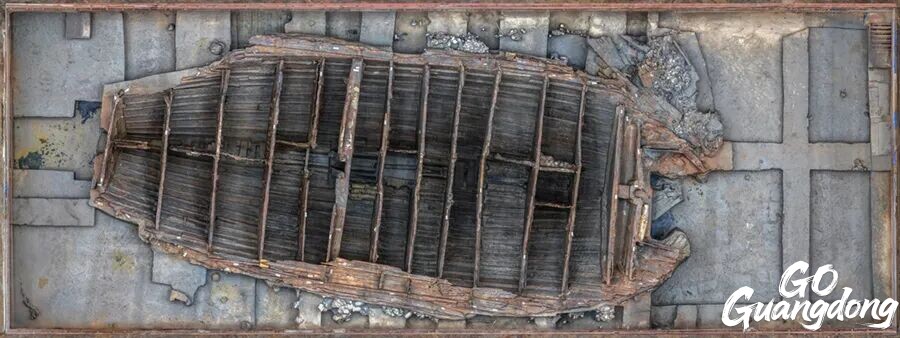
Orthophoto after cargo clearance, support caisson removal & hull steel structure dismantling, photo by 国家文物局
"The watertight bulkhead applied in Nanhai I is a prime example of the leading shipbuilding in the Song Dynasty, which has made great contributions to the world. Indeed, it was later popularized by Western countries and became a standard feature in shipbuilding," said Cui Yong, a veteran underwater archaeologist and deputy director of Guangdong Provincial Institute of Cultural Relics and Archaeology.
Shan Jixiang, former director of the Palace Museum, witnessed the entire salvage of the Nanhai I. He emphasized that the ship was bound for a long voyage. "Organic remains including fruit shells and bones provide us with evidence to gain insight on the goods it carried and the food that the crew ate," he said.
To date, over 180 thousand pieces of exquisite cultural relics have been excavated, including ceramics, bronze and ironware, gold and silver, lacquerware, coins, plant and animal remains, and human bones. From the preserved remains, we can gain knowledge of the prosperity of trade and cultural exchanges between ancient China and foreign countries along the Maritime Silk Road during the Southern Song Dynasty (1127-1279 AD), which laid the foundation for today's Belt and Road Initiative.
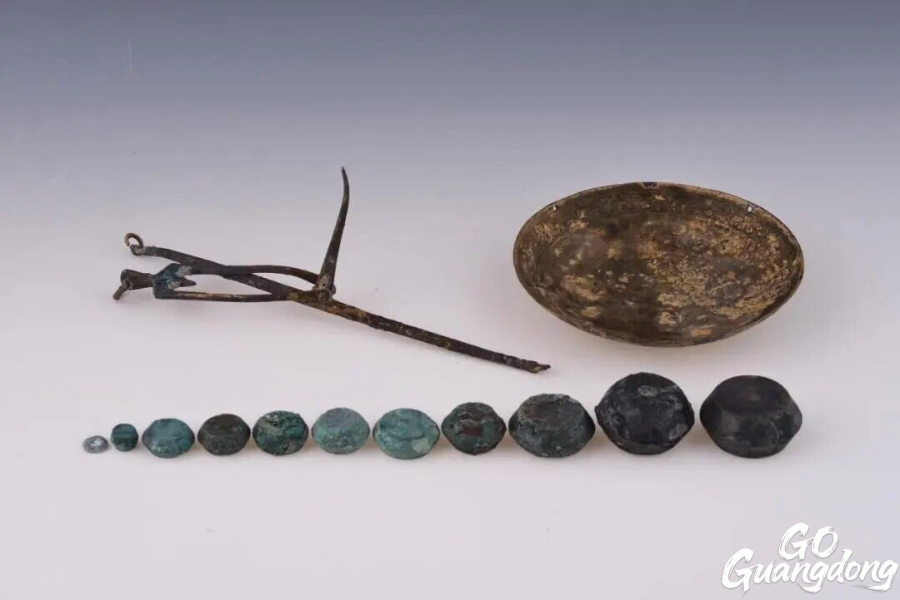
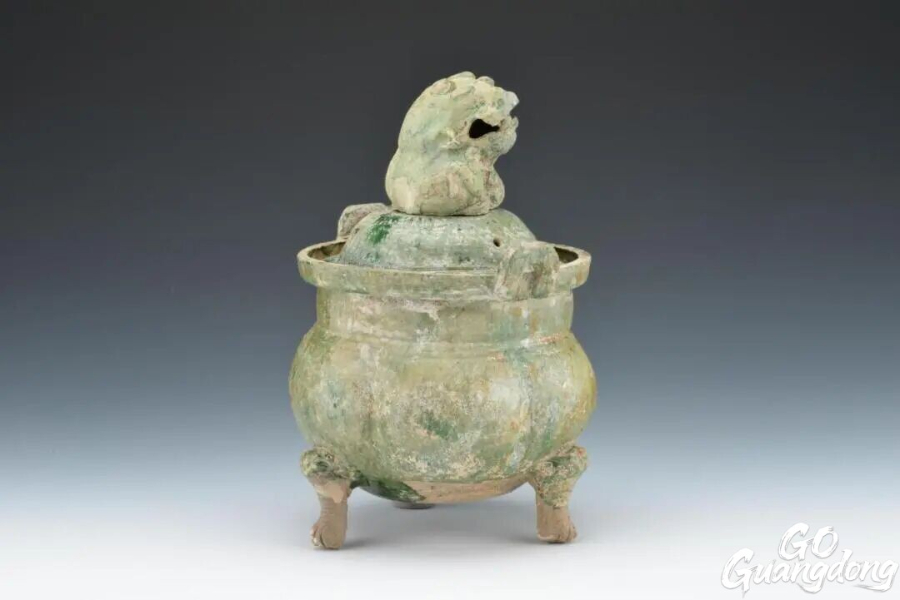
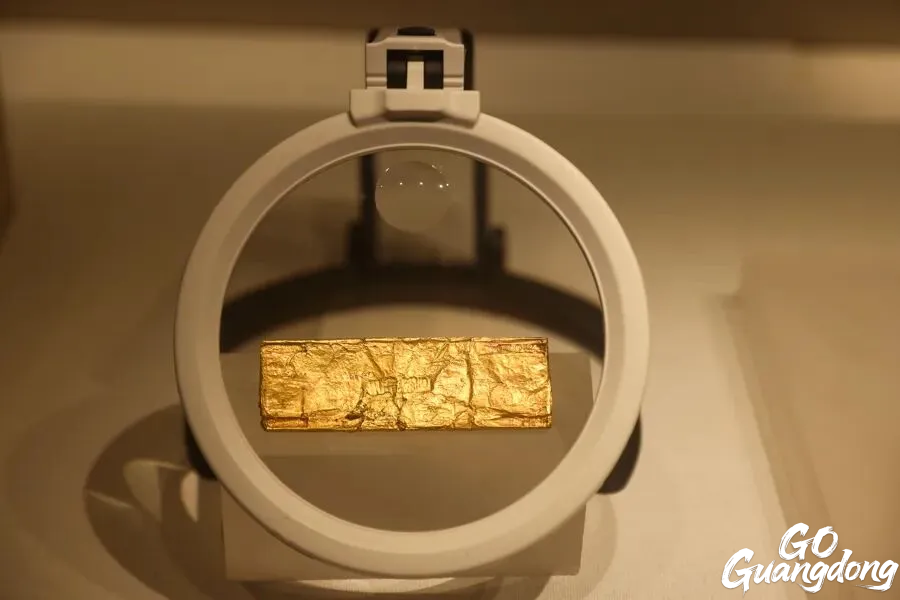
Photo by 阳江广播电视台
Explore the millennium-old vessel in Yangjiang's museum
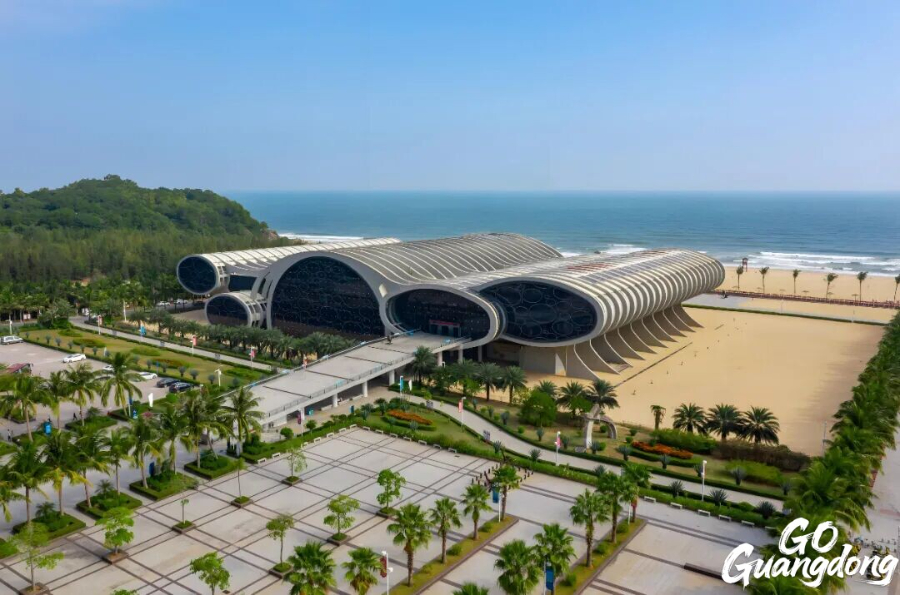
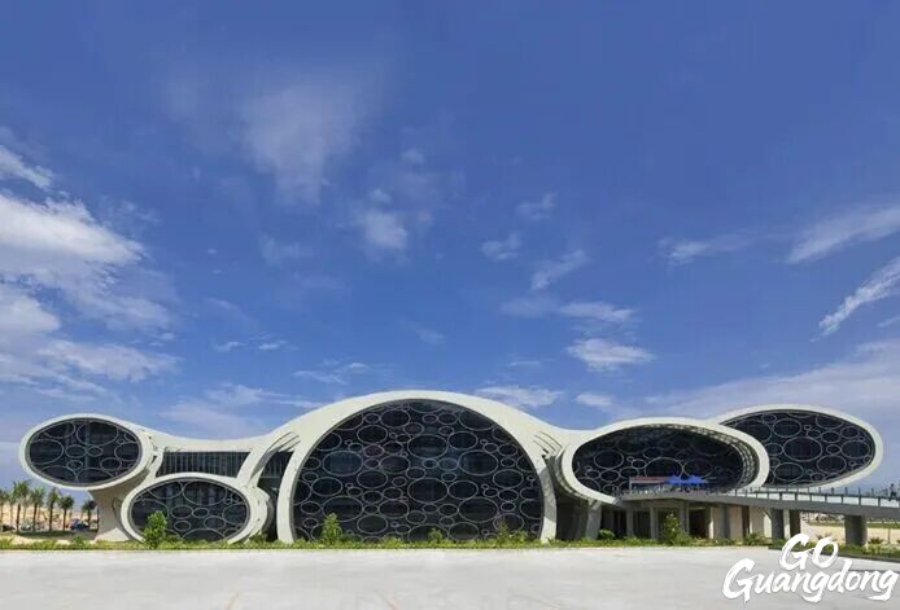
Photo by Guangdong Maritime Silk Road Museum
Located on the Hailing Island, the Maritime Silk Road Museum of Guangdong is built into five interlocking ellipse-shaped buildings, resembling rolling waves and stacked conchs. As China's first underwater archaeology-themed museum and a national 5A-level attraction, it ranks among the world's top three shipwreck museums.
Walking into the museum, visitors will encounter the core of this "Crystal Palace", a 12-meter-deep glass tank, where the Nanhai I is displayed. Cultural heritage protection progressed after the completion of hull excavation in 2023. In November 2025, the "Crystal Palace" opened to the public for the first time, providing visitors with a closer look at the conservation site of the mysterious vessel.
The ancient hull is supported by steel frames and wrapped in a sprinkler system, with ongoing preservation work including desalination, rust removal, reinforcement, and dehydration. Corridors and a 360-degree observation platform, equipped with a renovated lighting system, provide visitors with a multi-dimensional and immersive experience.
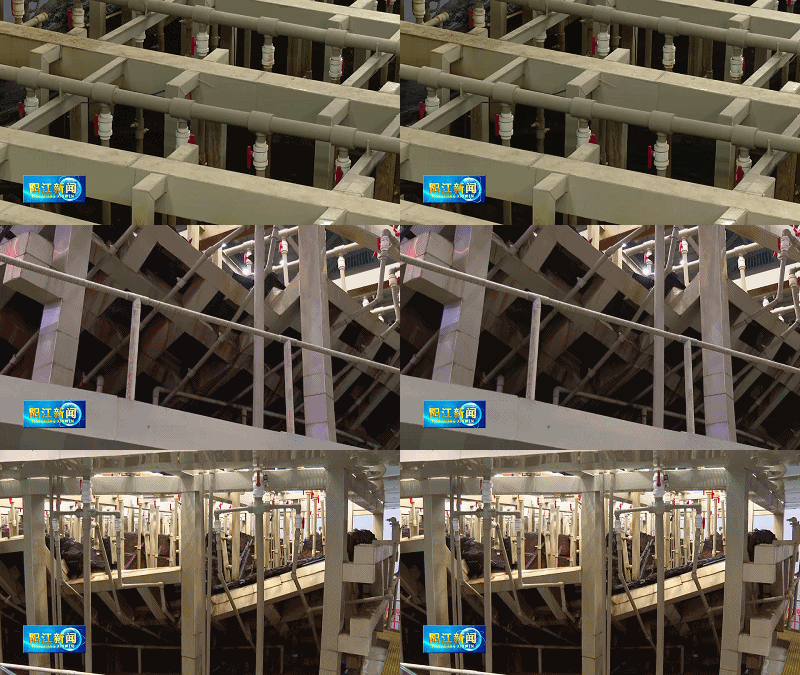
Photo by 阳江广播电视台
The museum also hosts the permanent exhibition "Legendary Ship on the Maritime Silk Road (海丝船说)", which comprises nine themed areas with more than 4,000 exhibits. It vividly demonstrates the legendary journey of the Nanhai I, showcasing the technological marvels of Chinese underwater archaeology and the glory of the ancient Maritime Silk Road.
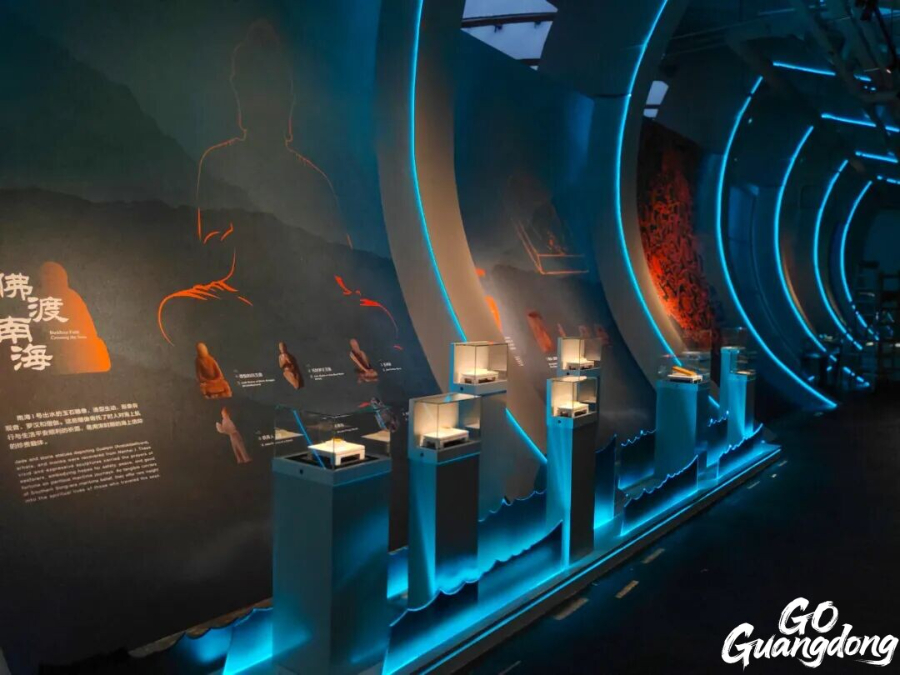
Photo by 阳江日报
Address: Nanhai I Road West, Hailing Island, Jiangcheng District, Yangjiang City
Opening hours: 09:00-17:30
Official Website: http://www.msrmuseum.com
Official WeChat Account: 广东海上丝绸之路博物馆
Reporter | Zhou Jiyin
Editor | Yin Juewen