



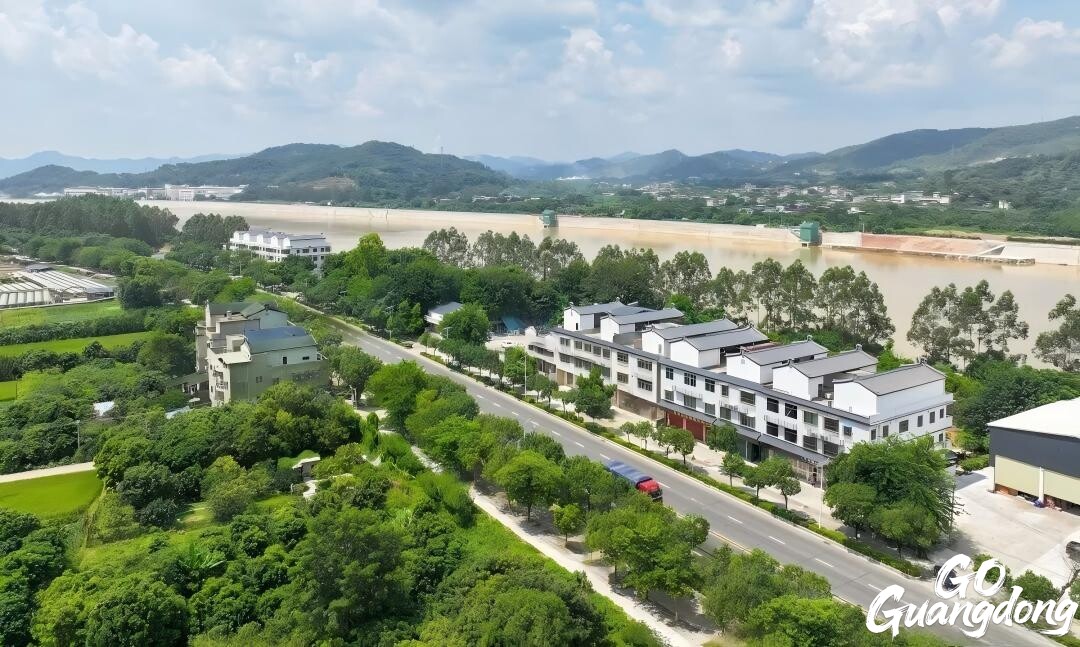
Photo by 梅州日报, photographer Lin Xiang
Driving northeast along Guangdong Provincial Highway 223, the Meijiang River winds through green canyons as a turquoise silk ribbon. Villages in Meixian District dot the landscape of mountains and rivers, with their white-walled, dark-tiled Hakka dwellings.
Renhou Wen Gong Ancestral Hall, photo by 梅州侨乡月报, photographer Lian Zhicheng
Hakka is one of the three major subgroups of the Han ethnic group residing in Guangdong Province. The Hakka people migrated south from the central plains centuries ago, blending with local cultures to forge a unique identity.
Meixian District of Meizhou City is regarded as a core Hakka settlement, home to 24 traditional villages. However, aging infrastructure and a lack of unified planning once threatened the preservation of its cultural heritage.
In recent years, local authorities of Meixian District have been making great efforts to vitalize the three towns, Bingcun, Yanyang, and Songkou, to protect Hakka traditions while developing agritourism. Villages have been revitalized, and residents' lives have flourished.
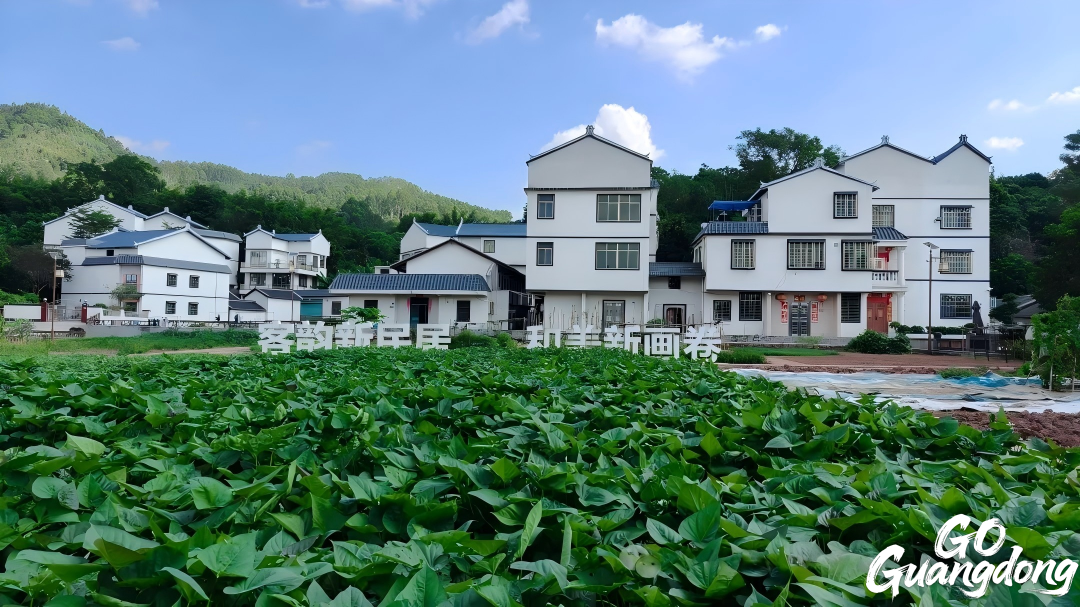
Hakka houses beside lotus ponds in Bingcun Town, photo by 快乐de东东游梅州
In Xilian Village, Bingcun Town, rows of renovated Hakka houses with white walls and sloping dark tiles stand beside lotus ponds. "We preserved our traditions while renovating the village," says villager Liao Ruirong. "Now everyone enjoys coming back here for the holidays."
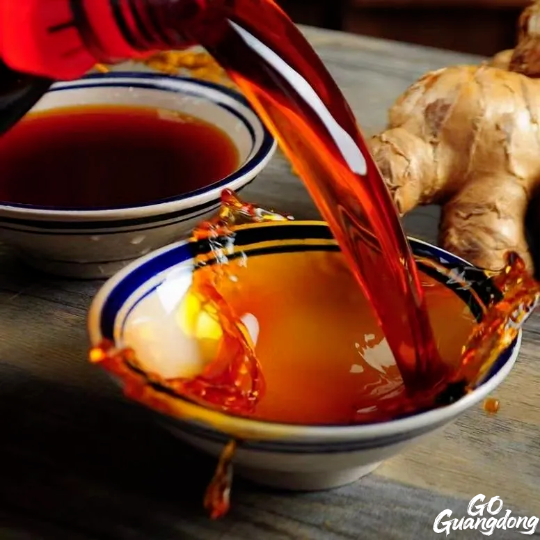

Hakka Niang Wine and ICH Inheritor Ms. Wen Fengzhu
Visitors can also experience Meixian Hakka Niang Wine, a provincial intangible cultural heritage. Aged over a millennium, this rice wine, amber-hued and fragrant, serves as a staple at Hakka celebrations. It also helps strengthen health. Provincial intangible cultural inheritor Wen Fengzhu has brewed it for decades, selling over 5,000 kilograms annually. Her workshop offers tastings and brewing experiences, while her apprentice, Li Yayi, innovates with Niang Wine-infused dishes, such as braised chicken and pork knuckles.
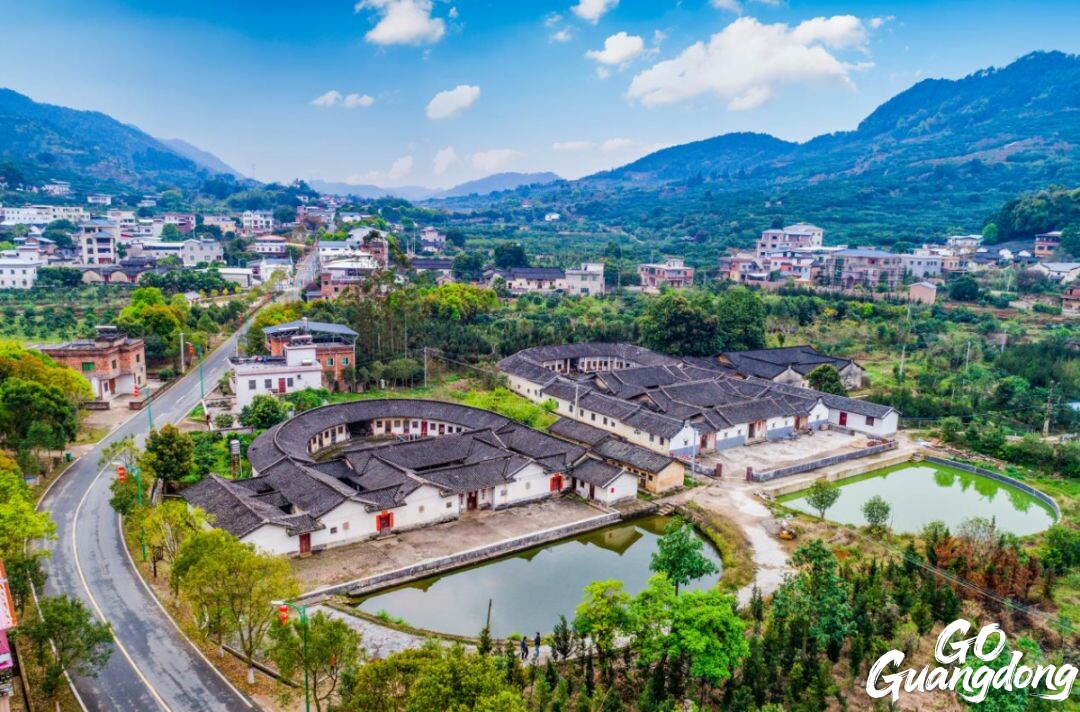
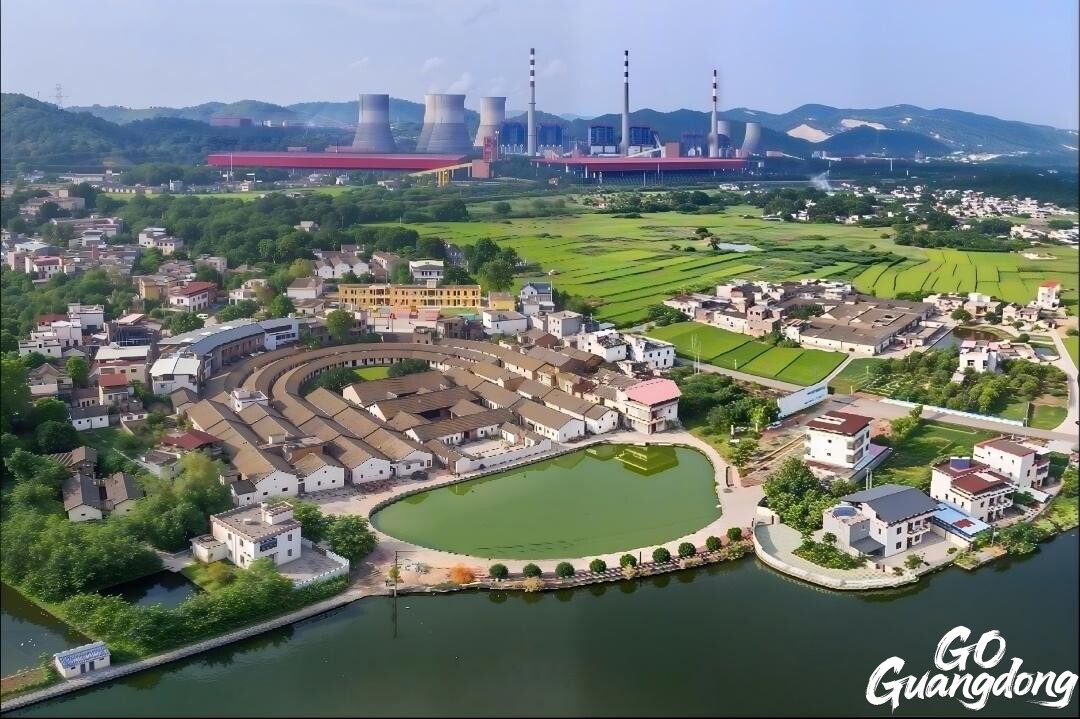
Duqing Villa, and Congshan Residence in Yanyang Town, photo by 相约梅县
Yanyang Town boasts centuries of Hakka history and well-preserved traditional architecture, most notably the Weilongwu. Characterized by its semicircular structure, this historic type of walled village was inhabited by clans in Meizhou. These buildings served multiple functions, including ancestral worship and defense, and are known as the living fossils in the Capital of Hakka.
Today, restored structures, such as Jishan Building in Qiaoxi Village, have been transformed into museums, intangible cultural heritage exhibition halls, homestays, or cultural workshops, balancing preservation with adaptive reuse.
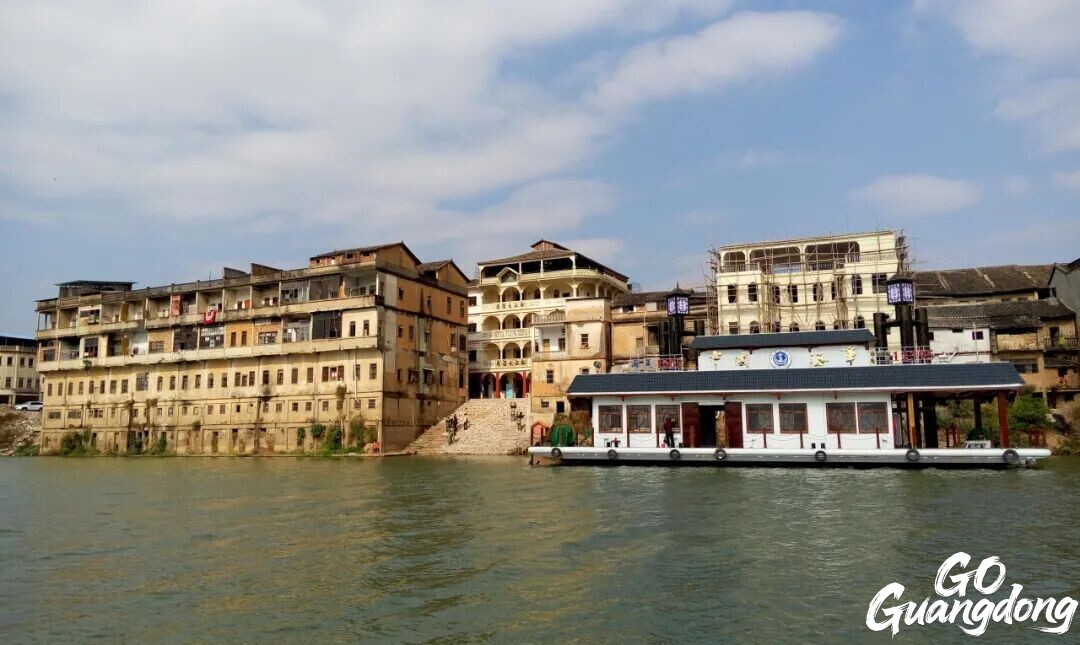
Huochuan Port in Songkou Town, photo by 方志梅州, photographer Feng Senda
The final stop, Songkou Town, was historically the first departure point for Hakkas migrating to Southeast Asia. Once renowned enough to be addressed simply as "Songkou, China" on Qiaopi (overseas remittance letters), the ancient town has now been renovated into a cultural tourism hub themed "Nanyang Maritime Silk Road·No.1 Hakka Overseas Town." During the 2025 Spring Festival, it welcomed over 150,000 visitors, more than triple the previous year. With renewed vitality and more opportunities, over 200 young people have returned to start businesses, breathing new life into this Hakka gem.
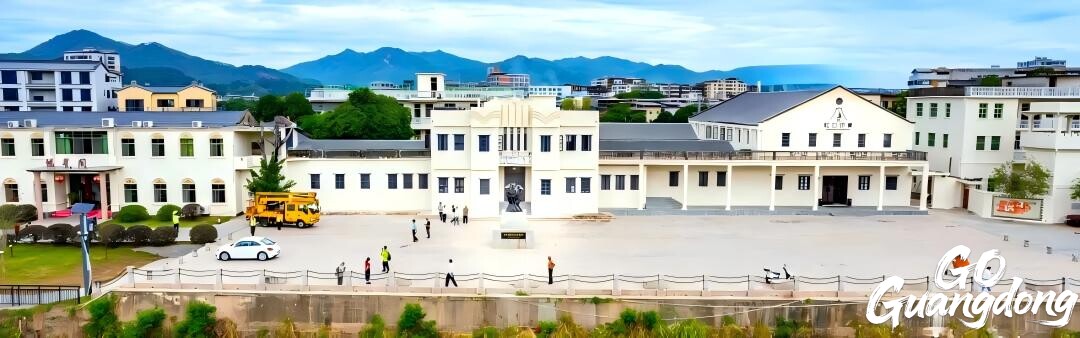
Songkou Impression, photo by 方志梅州, photographer Feng Senda
Reporter | Zhou Jiyin
Editor | Yin Juewen
Poster | Yang Chenyue